
What players say
Stream Path Logic offers a refreshing take on puzzle games by prioritizing relaxation over speed. The core mechanic of drawing a path for water is intuitive, and the gradual introduction of barriers and twists keeps the gameplay engaging. The bright visuals and lack of time pressure make it a great choice for unwinding. While the puzzles are not extremely difficult, they provide a satisfying mental workout. The hint system is helpful without being intrusive, and the overall design feels polished. This is a solid pick for anyone looking for a peaceful brain teaser.
About this game
Core Gameplay
In Stream Path Logic, the central task involves plotting a course for water to travel from a source to a designated container. Players use a finger or mouse to sketch a path on the screen, and the water follows this drawn route. The challenge comes from the need to navigate around fixed barriers and rocks that block direct movement. Each level presents a unique arrangement of these obstacles, requiring players to think ahead and adjust their strategy as they go.
Obstacle Variety
The game introduces several types of impediments that complicate the path. Barriers are immovable walls that force the water to change direction. Rocks are solid objects that cannot be crossed, requiring the player to find a way around them. Twists are special elements that alter the flow path unexpectedly, adding an extra layer of complexity. As players progress, these obstacles appear in more intricate combinations, demanding greater spatial reasoning and planning.
Visual and Control Design
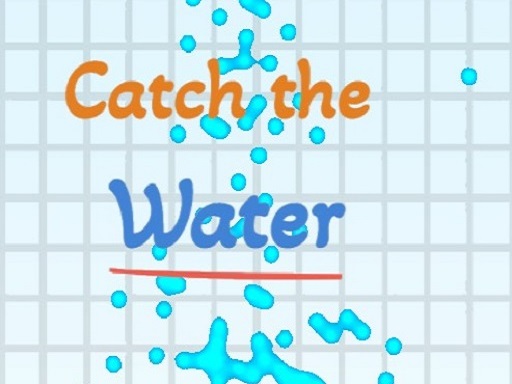
The graphics use bright, cheerful colors that make the grid and water easy to see. The water animation is smooth, providing clear feedback as it travels along the drawn path. Controls are simple: tap or click to start drawing, then release to let the water flow. This straightforward interface ensures that players of any age can pick up the game without a steep learning curve. The visual style remains consistent throughout, keeping the focus on the puzzle rather than distracting effects.
Progression and Difficulty
Levels are arranged in a sequence that gradually increases in challenge. Early stages serve as tutorials, introducing one obstacle type at a time. Later levels combine multiple obstacles, requiring players to apply techniques learned earlier. The difficulty curve is gentle, allowing players to build confidence before facing harder puzzles. There is no timer or score pressure, so players can take as long as they need to find the optimal route.
Assistance and Replay
When a player gets stuck, the game offers hints that suggest a possible starting direction for the path. Using hints is optional, and players can also restart a level to try a different approach. Since there is no penalty for failure, experimentation is encouraged. This design promotes a stress-free environment where the focus remains on problem-solving and creative thinking. The ability to replay any level also helps players refine their strategies.






Player comments
Sign in to comment
You must be logged in before posting a review or rating.
No account? Create one
No comments yet. Be the first to comment!