
What players say
Color Flow Stacker stands out from typical matching puzzles by turning placed blocks into flowing sand, so every move reshapes the board in ways you must read and plan around. The lack of a timer and the random block shapes make it well suited to players who want thoughtful, low-pressure sessions. Its main limitation is that success depends on anticipating sand movement, which takes practice before the board feels fully controllable.
About this game
A Different Kind of Tile Matcher
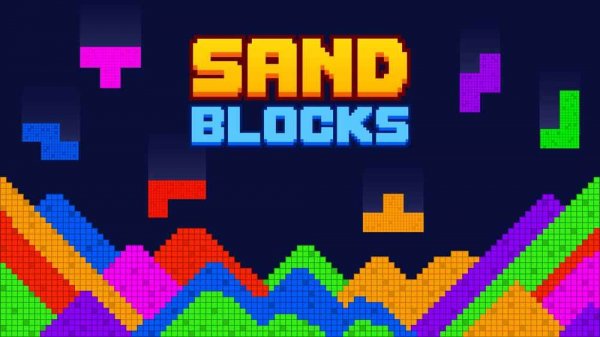
Most tile-matching puzzles ask you to fit blocks into a grid. Color Flow Stacker changes that: each block you place dissolves into sand that settles according to its shape. Gravity and form decide where the colored grains end up, so the board shifts in ways you cannot fully predict from the block alone. The result is a puzzle that rewards observation and planning rather than quick reflexes.
Placing Blocks and Reading the Flow
Each turn gives you three differently shaped blocks. You drag and drop them onto the board, and once placed, a block breaks apart into sand that flows downward and outward, filling gaps and layering on previous deposits. Your goal is to arrange these pieces so the sand forms an uninterrupted horizontal line of a single color. Complete a line and that row clears, freeing space and keeping the pile below the limit line. The shape of each block determines how its sand spreads, so where you place it matters as much as what color it carries.
Planning Several Moves Ahead
The rules are easy to grasp, but steady progress depends on foresight. Stacking sand unevenly in one column quickly reduces your options, and a tall pile limits where future blocks can land. Clearing lines as soon as they are possible helps, but so does thinking two or three turns ahead to make sure the right colors are available when you need them. Because sand flow can be unpredictable, experienced players learn to anticipate how each shape will break apart and set up multiple line clears in a single turn.
Endless Sessions at Your Own Pace
Random block shapes mean no two games play the same, which suits both short breaks and longer, focused sessions. There is no time pressure, and the gentle visuals support a calm atmosphere where you can think through each move. That combination makes it easy to return to without the game feeling repetitive.
Compatibility
FAQ
Player comments
Sign in to comment
You must be logged in before posting a review or rating.
No comments yet. Be the first to comment!



Editorial Notes