
What players say
Bubble Pop Tile Match keeps its rules minimal: click connected groups of identical tiles, clear the board, move on. The three layouts shift from open and forgiving to tighter and more demanding, and the absence of timers or move limits makes it easy to play at your own pace. The shuffle spinner prevents deadlocks and adds a genuine choice about when to rearrange the board. Best suited to players who want relaxed, thoughtful puzzle sessions rather than fast-paced challenges.
About this game
Clearing Clusters of Bubbly Tiles
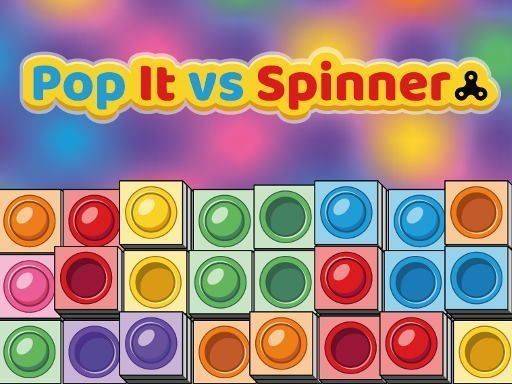
Every board in Bubble Pop Tile Match is filled with colorful tiles, and your job is to remove them by clicking any group of two or more identical tiles that touch each other. Once you click, the whole cluster vanishes, and the remaining tiles shift. That shift can create new clusters, so a single click sometimes sets up a chain of follow-up matches. The rule is simple enough to learn in seconds, but spotting the largest connected groups takes careful scanning. Choosing which cluster to clear first matters because early removals change what is available later.
Three Board Layouts and How They Differ
The game offers three distinct board configurations. Early layouts are more open, with tiles spread out enough that matches are easy to find. Later layouts pack tiles into tighter clusters, which means fewer obvious groups and more deliberate planning before each click. You advance by completely clearing each board. There is no score timer and no move limit, so you can take as long as you need on any layout. The progression from open to tight boards keeps the challenge shifting without adding new rules.
The Shuffle Spinner and When to Use It
When no matches remain on the board, the spinner tool rearranges all remaining tiles. It prevents deadlock and keeps the game moving. You can use it multiple times per level, but each use changes the board unpredictably, so timing matters. The real decision is whether to keep searching for an existing match or accept a reshuffle and work with whatever arrangement appears. That choice adds a layer of strategy beyond simple pattern spotting.
Visual Style and Sound Feedback
Tiles use bright, cheerful colors with soft, rounded edges. Each pop triggers a light sound effect that confirms the match without becoming distracting. The background stays calm and uncluttered, which keeps attention on the puzzle. The overall look is family-friendly and built for a relaxed pace, whether you play for a few minutes or settle in for a longer session.
Who This Puzzle Suits
Because there is no time pressure, the game works for a wide range of ages and skill levels. The interface relies on simple clicks, and the rules need almost no explanation. Players who enjoy thoughtful, low-stress puzzles get enough depth from the three layouts and the shuffle decision to stay engaged. Regular play may support pattern recognition and spatial reasoning in a calm setting.
Compatibility
FAQ
Player comments
Sign in to comment
You must be logged in before posting a review or rating.
No comments yet. Be the first to comment!







Editorial Notes