
What players say
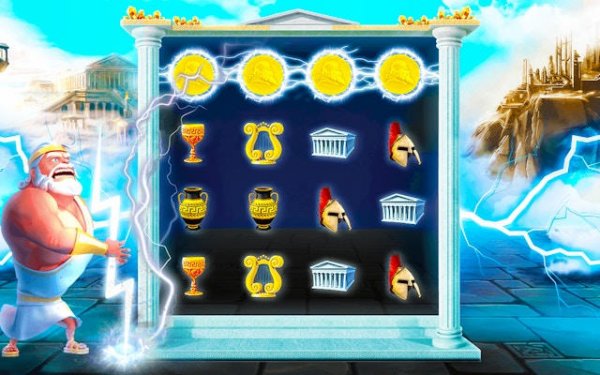
Olympian Tile Swap sticks to a familiar match-3 loop but changes how players interact with the board: grouping adjacent identical tiles instead of swapping two. The Greek-themed symbols and clean art keep tiles easy to read, and the gradual introduction of obstacles and tighter goals gives the game a sensible difficulty curve. Power-ups reward patience rather than constant use. It suits players who want short, low-pressure puzzle sessions with a bit of planning.
About this game
Core Matching Mechanic
Olympian Tile Swap is built around a straightforward interaction: select a group of three or more identical symbols that sit next to each other on the board. Tapping or clicking that group removes it, and tiles above fall down to fill the empty spaces. That single action drives every level, but the board layouts and objectives change enough to keep the routine from feeling static. Because the game uses groups rather than the swap-two-tiles format common in many match-3 titles, players scan for clusters instead of setting up cascading swaps. This distinction shapes how each board is read and planned.
Level Goals and Difficulty Curve
Each stage gives a specific target, such as clearing a set number of tiles or hitting a score threshold before running out of moves. New obstacles and symbol arrangements appear gradually, so the early boards teach the basics before later puzzles demand more careful planning. The difficulty rises through layout complexity and tighter move limits rather than through new rules dumped all at once. That pacing keeps the experience approachable for newcomers while still giving experienced match-3 players something to work toward.
Power-Ups and Planning
Special items, such as a lightning bolt, clear multiple tiles at once or set off chain reactions. When and where to use them matters: saving a power-up for a crowded or awkward section of the board can turn a difficult layout into a manageable one. Because power-ups are limited, deciding whether to spend one now or hold it for a later goal adds a layer of strategy beyond simple pattern recognition.
Mythological Theme and Presentation
The board symbols draw on classical Greek imagery, including laurel wreaths, amphorae, and temple columns. The art style stays clean and colorful, which keeps different tile types easy to tell apart at a glance. Backgrounds and music reinforce the ancient Greece setting without pulling attention away from the puzzle itself. The theme is decorative rather than narrative: there is no story to follow, and the focus stays on readable, functional match-3 play.
Session Length and Accessibility
Levels are short enough to finish in a few minutes, which suits quick play sessions. At the same time, the rising difficulty and varied goals give players a reason to keep going if they want to master later stages. No complex controls or reading are required, so the game is easy to pick up regardless of prior match-3 experience.
Compatibility
FAQ
Player comments
Sign in to comment
You must be logged in before posting a review or rating.
No comments yet. Be the first to comment!







Editorial Notes