
What players say
Super Dash Motorcycle Racing targets players who remember arcade bike racers and want that same quick, skill-focused loop without installing anything. Its strengths are accessibility, clear objectives, and tracks that reward smooth steering over brute speed. The limitation is depth: the appeal rests on improving lap times and beating opponents, not on a large feature set. Players wanting short, repeatable races will get the most from it.
About this game
Track Design and Race Structure
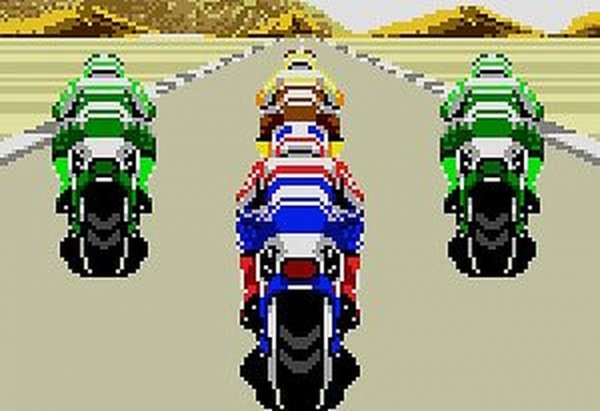
Super Dash Motorcycle Racing puts you on a series of tracks that each demand a different reading of the road. Curves arrive at varying angles, and the layout changes as you progress, so a line that worked on an early course may not hold on a later one. The objective stays constant: complete the course and cross the finish line before your opponents. What shifts is the pressure — later scenarios ask for quicker reflexes and cleaner decisions. [IMG_1]
Controls and Handling
You control your motorcycle with the keyboard or mouse, and the input scheme is deliberately simple so races start fast. Steering smoothly matters more than reacting late; the bike responds best when you set your angle before a turn rather than during it. Speed management is part of the same skill. Carry too much into a corner and you lose the line; brake too early and opponents close the gap. Early races function as a low-stakes place to build that rhythm.
Progression and Replay
Objectives grow more demanding as you advance, and the changing track layouts and opponent behaviors give each attempt a different shape. A reward system tracks completed races and personal bests, which gives repeat runs a purpose beyond simply finishing. Because the game runs in a desktop or mobile browser, sessions can be as short as a single race or stretched across an hour. The balance of tense corners and fast straights is what keeps the loop working.
Approaching Each Race
Reading the track before committing to a move saves more time than aggressive steering. Finish first, then chase optional goals — a clean run beats a fast start that ends in a wall. When the pace rises, rushed inputs cause more errors than hesitation. Using the early races to learn the controls and find a comfortable rhythm pays off in faster lap times later.
Compatibility
FAQ
Player comments
Sign in to comment
You must be logged in before posting a review or rating.
No comments yet. Be the first to comment!



Editorial Notes