
What players say
Citrus Fruit Puzzle Challenge targets players who want quick, focused puzzle sessions rather than long campaigns. Its strengths are the accessible controls, the consistent South American-inspired presentation, and the way the timer turns ordinary matching or sorting tasks into tests of composure. The main limitation is that the format depends on repetition, so players seeking deep progression or story may find it thin. It suits casual players and anyone who enjoys timed challenges.
About this game
A Town Called Lemons
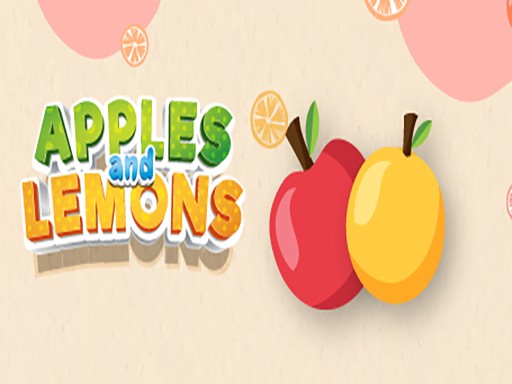
Citrus Fruit Puzzle Challenge unfolds in Lemons, a fictional town whose name sets the tone for the whole experience. The setting leans on a South American interpretation of a classic theme, which shows up in the colorful visuals and the way each puzzle is framed. Rather than treating the town as static scenery, the game uses it as the backdrop for a series of short, self-contained tasks. That structure keeps the focus on the puzzles themselves while giving the presentation a consistent identity.
Beat the Timer, Not the Game
Every task in Citrus Fruit Puzzle Challenge is governed by a countdown. The core objective is simple: finish the puzzle before time expires. Tasks may involve matching, sorting, or arranging items, and the on-screen instructions tell you what each one requires. The timer is the real opponent here. It forces quick decisions and punishes hesitation, which means accuracy and speed matter equally. Players who rush without reading the instructions tend to lose time correcting mistakes, while those who study the task first often finish with seconds to spare.
Short Sessions, Simple Controls
Controls are deliberately intuitive, so the challenge comes from the puzzles rather than from learning a complex interface. Sessions are short by design, which suits players who want a quick break rather than a long commitment. That pick-up-and-play structure is the game's main strength: you can start a new game, complete a few timed tasks, and stop without losing progress or momentum. The lighthearted atmosphere and vibrant presentation make the experience feel welcoming rather than stressful, even when the clock is running.
Progressing Through Better Play
High scores and new levels are tied to how well you perform under time pressure. Improving reaction time and recognizing puzzle patterns are the two most reliable ways to advance. Because each puzzle type repeats with variations, experienced players learn to read the instructions faster and anticipate what a task will ask. That familiarity is the real progression system: the game rewards repetition and focus more than any single lucky run.
Compatibility
FAQ
Player comments
Sign in to comment
You must be logged in before posting a review or rating.
No comments yet. Be the first to comment!






Editorial Notes